Skip to content

FITMENT / THE BUYER CHECKLIST

Cast vs forged wheels.
Compare the requirement,
then the construction.

STARTING POINT

“A wheel like this.”

A picture, a style name or a nominal size can open the discussion. It leaves fitment, load, clearance and quotation scope unresolved.

A CLEARER BASELINE

“For this vehicle and this duty.”

Record known diameter, width, PCD, offset, center bore and load requirements. Separate finish and construction preferences from the fitment that must stay fixed.

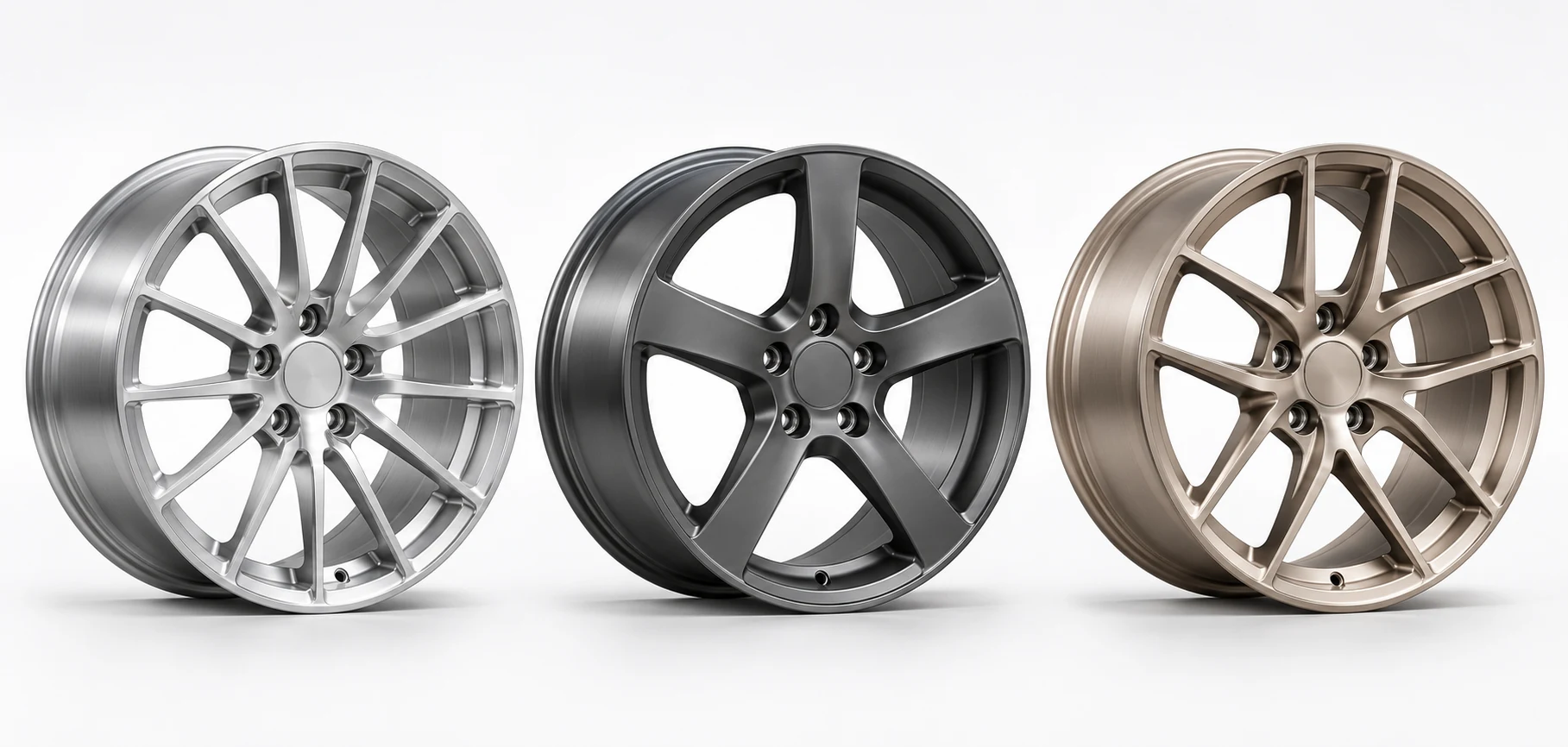
Original illustrative wheel forms; construction and fitment require separate evidence
A style is visible. Construction, dimensions, load and clearance still need a specification.

QUOTATION SCOPE / SAME UNIT, SAME BASIS

Make the price mean the same thing.

Read the forged wheels price alongside the actual drawing, construction, finish and quantity unit. Identify whether a quote covers a bare wheel, a component set or a package with fitment hardware.

Convert per-set prices to per-piece values before comparing. Keep tooling, samples, packing and freight separate when one proposal includes them and another excludes them.

This calculator uses your entered figures in USD. It totals the stated scope; it does not estimate a supplier price, tax, freight or a saving.

TWO DECISIONS TO KEEP DISTINCT

Compare construction and application together.

01 / CONSTRUCTION

Forged wheels vs cast:
what changes in the request?

Flow-forming can start with a cast blank and form the rim section, so it should not automatically be described as a fully forged wheel. Ask the supplier to state the construction of the proposed item, then compare its load rating, dimensions and intended application.

Compare the same drawing and intended duty first. A lower material or unit-cost proposal may bring different tooling, finish, sample or lead-time assumptions. Record those changes instead of treating the offers as identical.

  • Keep diameter, width, PCD, offset and center bore fixed.
  • Request applicable exact-product test documents.
  • Agree which sample dimensions, finish and product documents the buyer will review before production; record any accepted difference from the drawing.
02 / APPLICATION

Wheel fitment and tire duty
are separate checks.

A matching bolt pattern leaves brake and suspension clearance, mounting details and load open. For tires, request the size and service description (load index and speed symbol), together with rim suitability and operating conditions. A matching nominal size alone does not settle these requirements.

For truck and bus tires, distinguish steer, drive and trailer positions and single/dual fitment. For OTR, agricultural or industrial tires, describe equipment, surface, working load and speed. Keep motorcycle front/rear needs separate.

  • Identify the vehicle or equipment and installation context.
  • Have open fitment assumptions confirmed in writing.
  • Review specialist components as a complete system scope.

Technical process reference: BBS flow-forming overview and Michelin tire service-description guide. These explain technical terms; they do not establish the capabilities, testing or certification of a supplier proposed through FitmentSource.

START WITH THE DETAILS YOU HAVE

Turn the checklist
into a sourcing brief.

Bring the vehicle, wheel style, tire size or equipment application you know, plus your quantity and destination. We can help turn that starting point into a supplier brief and discuss reference drawings or images during follow-up.

Budget and supplier preference help frame the discussion. They are purchasing priorities, not verified supplier ratings or a commitment to an available price.

YOUR NEXT REQUEST

Start with what you know. We use your details to prepare the supplier search and follow up on open fitment or application questions. Privacy Policy.